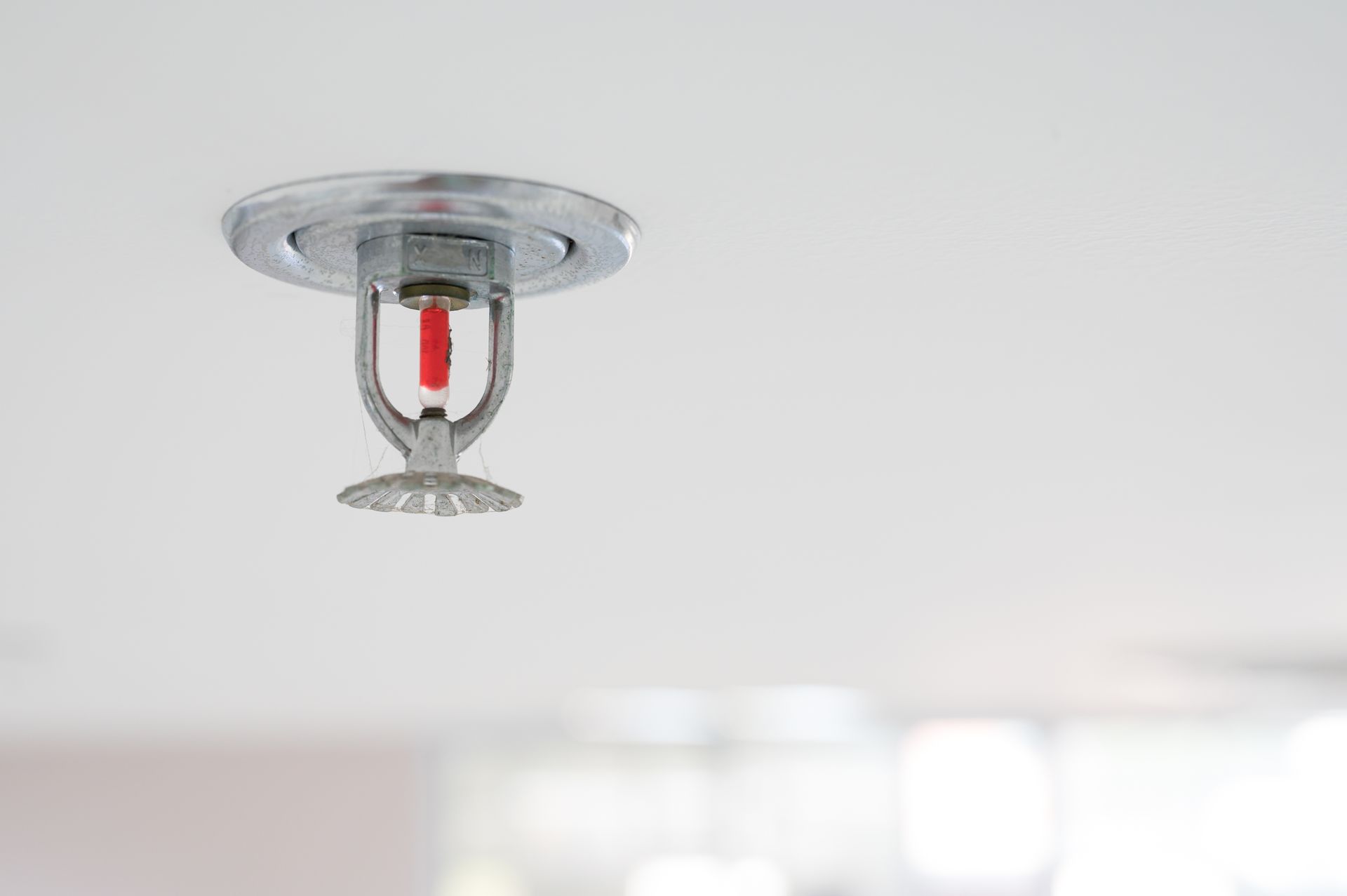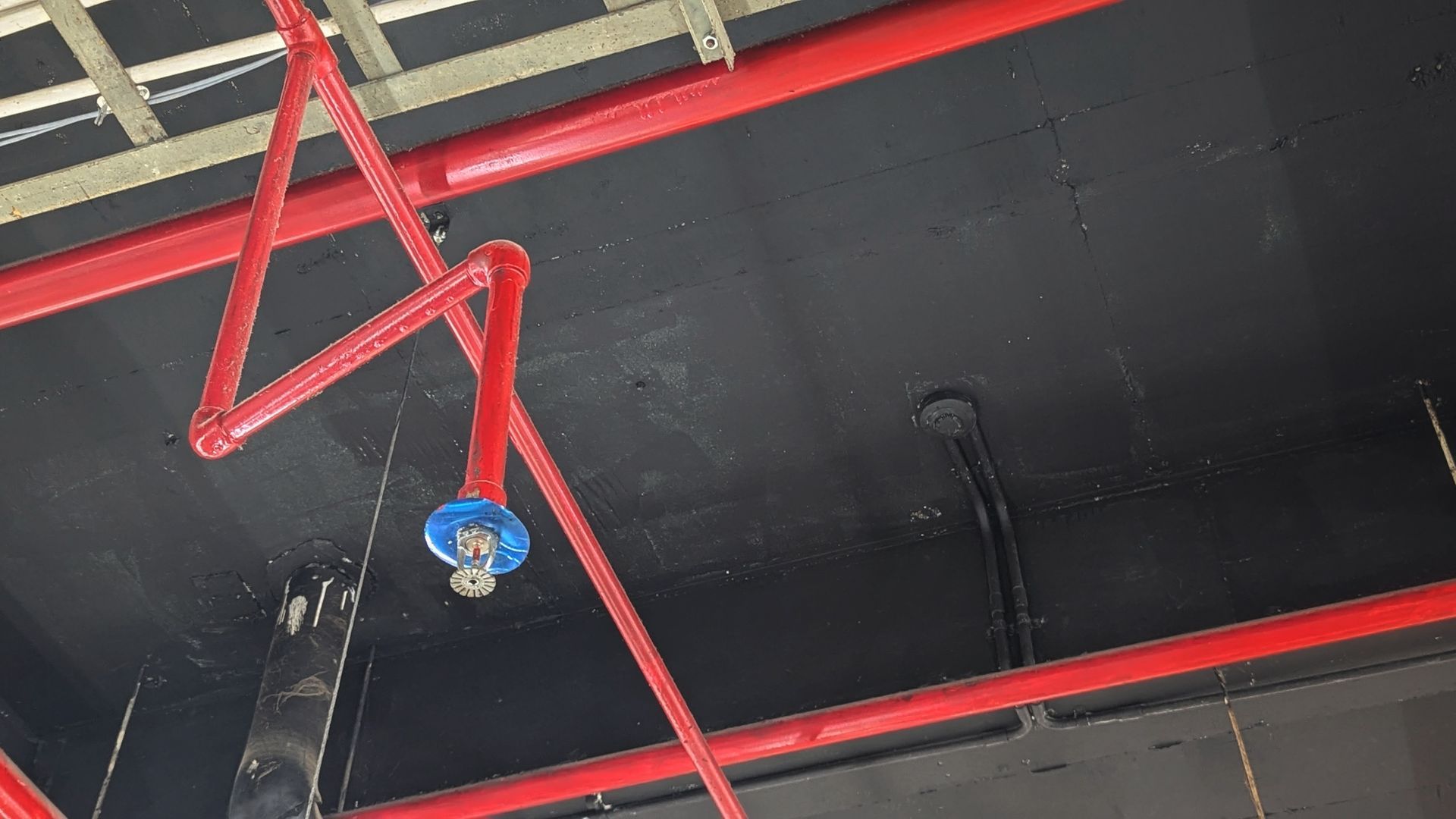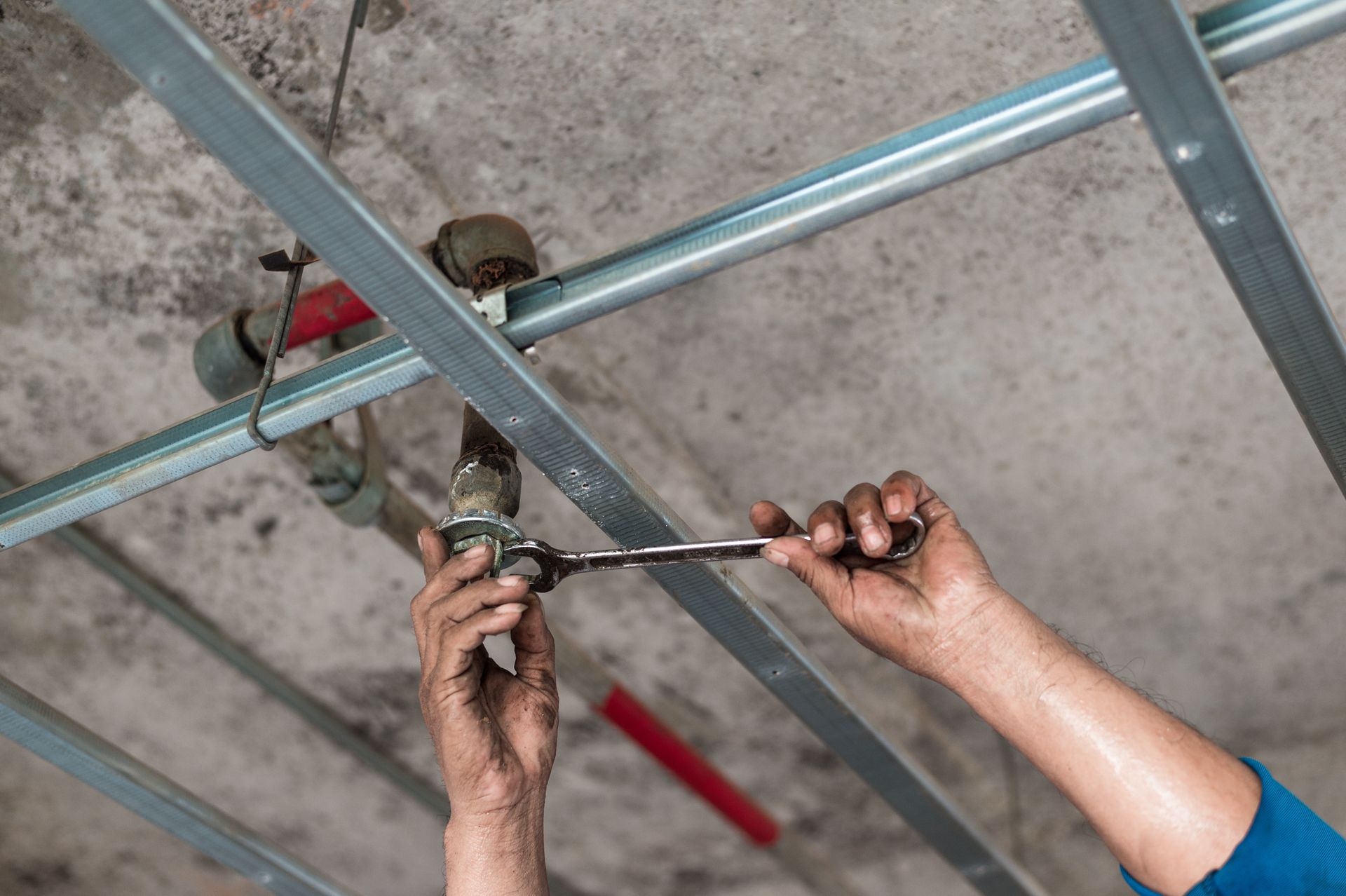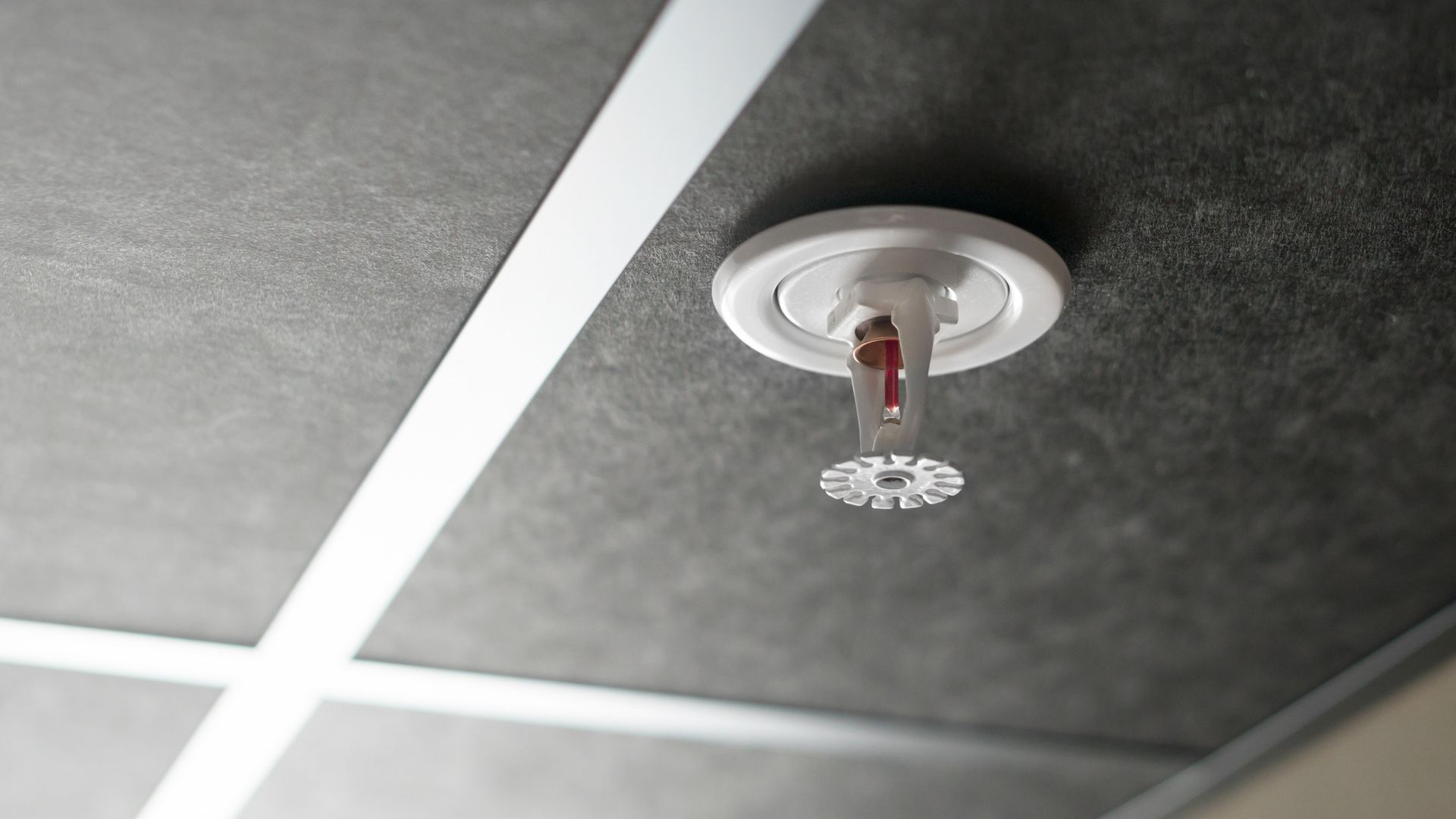

This guide covers seven mistakes that building owners make with fire sprinkler inspection in Fort Wayne, IN, and how to avoid each one. A sprinkler system only protects your property if it is tested, documented, and repaired on schedule. Small oversights can lead to failed inspections, code issues, and a system that does not work when you need it.
Mistake 1: Missing the Quarterly Checks
Many owners remember the annual fire sprinkler inspection and forget the quarterly one. NFPA 25 calls for regular checks of waterflow alarm devices, supervisory signal devices, fire department connections, and control valve positions every quarter. Main drain tests are also required quarterly on systems with backflow preventers or pressure reducing valves.
Put quarterly dates on your calendar and ask your contractor to confirm them in writing. Staying on schedule helps you avoid gaps in your records.
Mistake 2: Skipping the 5-Year Internal Inspection
The five-year internal inspection is easy to overlook because it comes so rarely. It looks inside the piping for obstructions and microbiologically influenced corrosion, and it may include gauge replacement and hydrostatic testing on dry pipe and pre action systems. This cycle often finds the most serious problems, especially in older Allen County warehouses and multi-family buildings.
Check your last report for the date of the previous internal inspection. If you cannot find it, ask your contractor to review your records.
Mistake 3: Blocking or Painting Sprinkler Heads
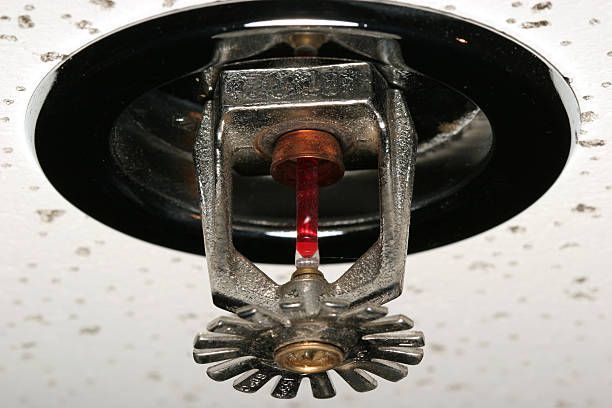
Sprinkler heads need clear space to spray water across a room. Stacked inventory, shelving, and storage near the ceiling can block the pattern. Paint, dust, and grease on heads can also keep them from working correctly.
Walk your building every month and look for these problems:
▸ Boxes or racks stored too close to heads.
▸ Paint overspray, decorations, or hangers on heads or pipes.
▸ Bent, corroded, or leaking heads.
▸ Dust or grease buildup in kitchens and workshops.
Report any damaged or covered head to your contractor right away.
Mistake 4: Ignoring Dry-Pipe Care in Winter
Many Fort Wayne facilities use dry-pipe systems because of Indiana's cold winters. These systems need extra attention, including weekly gauge pressure checks. They are also more susceptible to corrosion inside the pipes, which is why the five year internal inspection matters so much.
Make sure someone on your staff knows who checks the gauges each week and where the results are recorded.
Mistake 5: Not Filing Reports Through IROL
Inspection reports in Fort Wayne are filed electronically. The Fort Wayne Fire Department uses InspectionReportsOnline, known as IROL, for submissions in the city and in St. Joe Township. A report that is never filed can leave you without proof that the work was done.
Ask your contractor whether they submit reports for you. Our Fort Wayne inspection page explains how reporting works in more detail.
Mistake 6: Putting off Repairs After a Failed Inspection
A failed fire sprinkler inspection is a warning, not a formality. Leaving deficiencies unrepaired can leave your building less protected and increase your exposure to violations. Many minor repairs can be finished during the same visit, so waiting often costs more time than it saves.
Here is a simple way to respond after a report:
1. Read the deficiency list and ask your contractor to rank each item by urgency.
2. Approve urgent repairs first and schedule the rest.
3. Request written recommendations for larger issues.
4. Keep the corrected report with your records.
Mistake 7: Keeping Poor Records
Reports are more than paperwork. Insurance renewals, property sales, and lender reviews often ask for proof of inspection. Missing or incomplete records can slow those processes down.
Keep every report in one place, and keep both digital and paper copies. Ask your contractor to include a clear list of tests performed and any deficiencies found. Good documentation makes your next fire sprinkler inspection easier too.
Common Questions About Inspection Mistakes
How Often Is a Fire Sprinkler Inspection Required?
NFPA 25 sets a schedule of quarterly, annual, and five year inspections. Which items apply depends on your system type, so ask your contractor to build a schedule for your property.
What Happens if My System Fails?
Your contractor documents the deficiencies and gives recommendations for correction. Minor repairs can often be done during the same visit, and larger issues come with written options.
Can I Skip a Quarterly Inspection?
Skipping a required inspection can leave gaps in your records and in your protection. If you are unsure what your property needs, ask a licensed contractor to review your schedule.
Work With a Fort Wayne Fire Protection Team
Indiana Fire Sprinkler & Backflow, Inc. is a BBB-accredited, NFPA member company at 2331 Southyard Court in Fort Wayne. Our team is licensed and certified in Indiana, Michigan, Illinois, and Ohio, and we provide thorough documentation with every visit. Call (260) 486-3473 or contact us online to request a free quote. You can also learn more about our routine maintenance services and fire sprinkler system inspections.