
NFPA 25 Fire Sprinkler System Inspection Frequency: What Michiana Property Managers Need to Know in 2026
Property managers in Michiana, MI, need to know exactly what NFPA 25 requires for fire sprinkler system inspection frequency, or they risk code violations, insurance problems, and undetected system failures. This guide breaks down every required interval under NFPA 25, connects those requirements to Michigan's adopted fire code framework, and explains what gets checked at each stage. Whether you manage a warehouse along the US-31 corridor, a multi-family complex, or a retail strip in the St. Joseph area, keeping your fire protection on schedule is both a legal obligation and a practical safeguard.
Why NFPA 25 Is the Standard Every Michigan Property Manager Must Follow
NFPA 25 governs fire sprinkler inspections in Michigan. Michigan has adopted the NFPA 1 Fire Code, and the Michigan Bureau of Fire Services oversees compliance for commercial and multi-family properties throughout the state. That means fire sprinkler system inspection requirements in Michiana, MI, follow the same NFPA 25 intervals that apply across Michigan, Indiana, and the broader region.
One critical detail: NFPA 25 Chapter 4 places compliance responsibility squarely on the building owner or property manager, not the contractor or the fire marshal. Knowing your inspection calendar is not optional. It is your responsibility.
What Are the NFPA 25 Inspection Intervals?
NFPA 25 assigns every system component to one of several inspection tiers. Here is a plain-language breakdown of each interval and what it covers.
Weekly Inspections
Weekly inspections focus on the highest-risk components. Pressure gauges on dry-pipe and pre-action systems require weekly checks, and control valves that are unlocked and unsupervised must be verified weekly. These quick visual checks can often be performed by trained in-house staff. Catching a closed valve or a gauge anomaly within days can prevent a total system failure.
Monthly Inspections
Monthly tasks apply primarily to wet-pipe systems. Pressure gauges on wet-pipe systems can be checked monthly instead of weekly. Alarm valves also fall under the monthly inspection tier for wet-pipe configurations. These checks confirm that the system appears to be in normal operating condition and that nothing has changed since the last visit.
Quarterly Inspections
Every three months, a more in-depth round of testing is required on certain components. Quarterly inspections cover waterflow alarm devices, fire department connections, and main drain tests. Control valves that are electronically supervised can shift to quarterly inspection in place of weekly. Each quarterly inspection must be documented with the date, findings, and the name of the inspector.
Annual Inspections
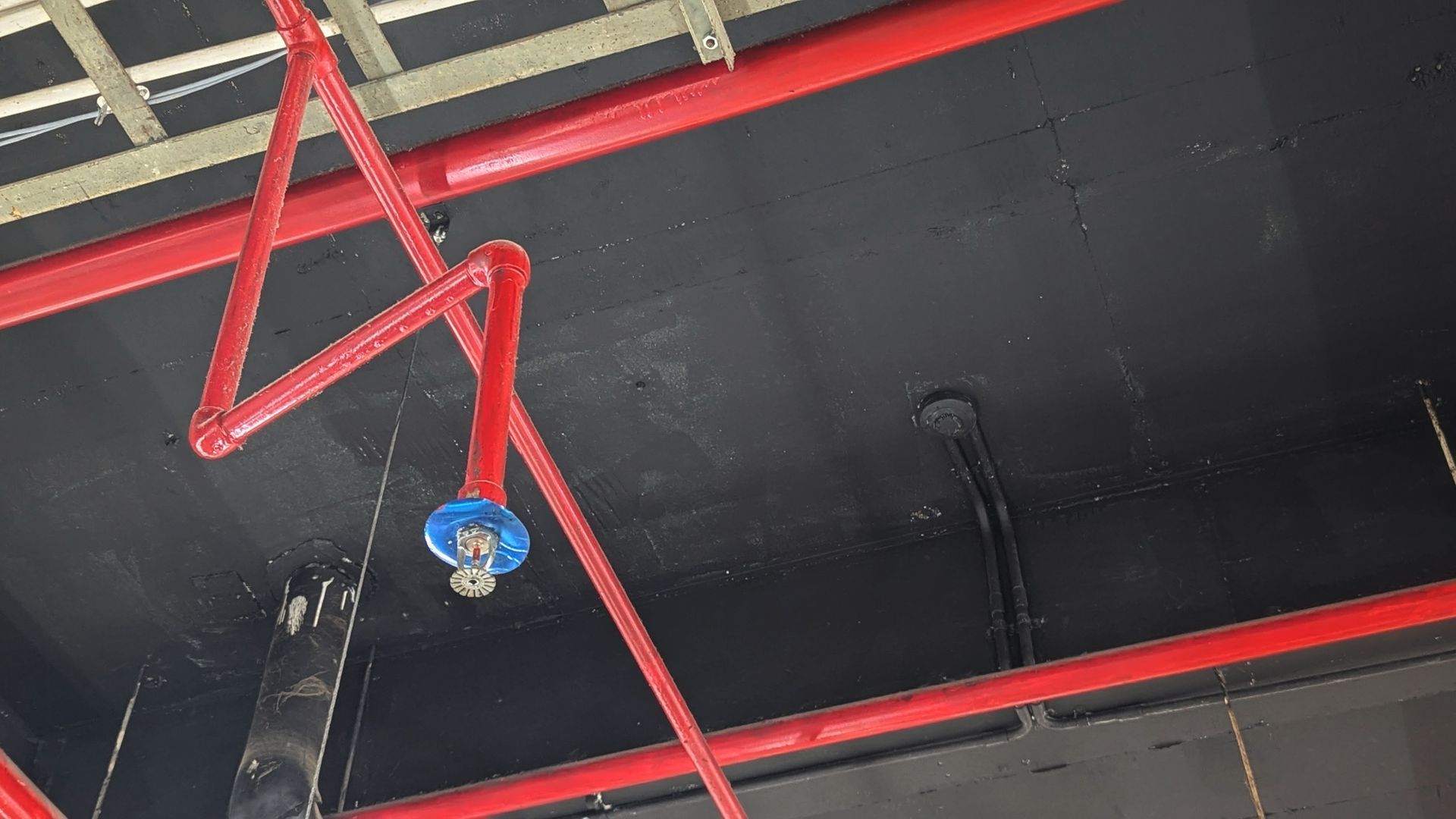
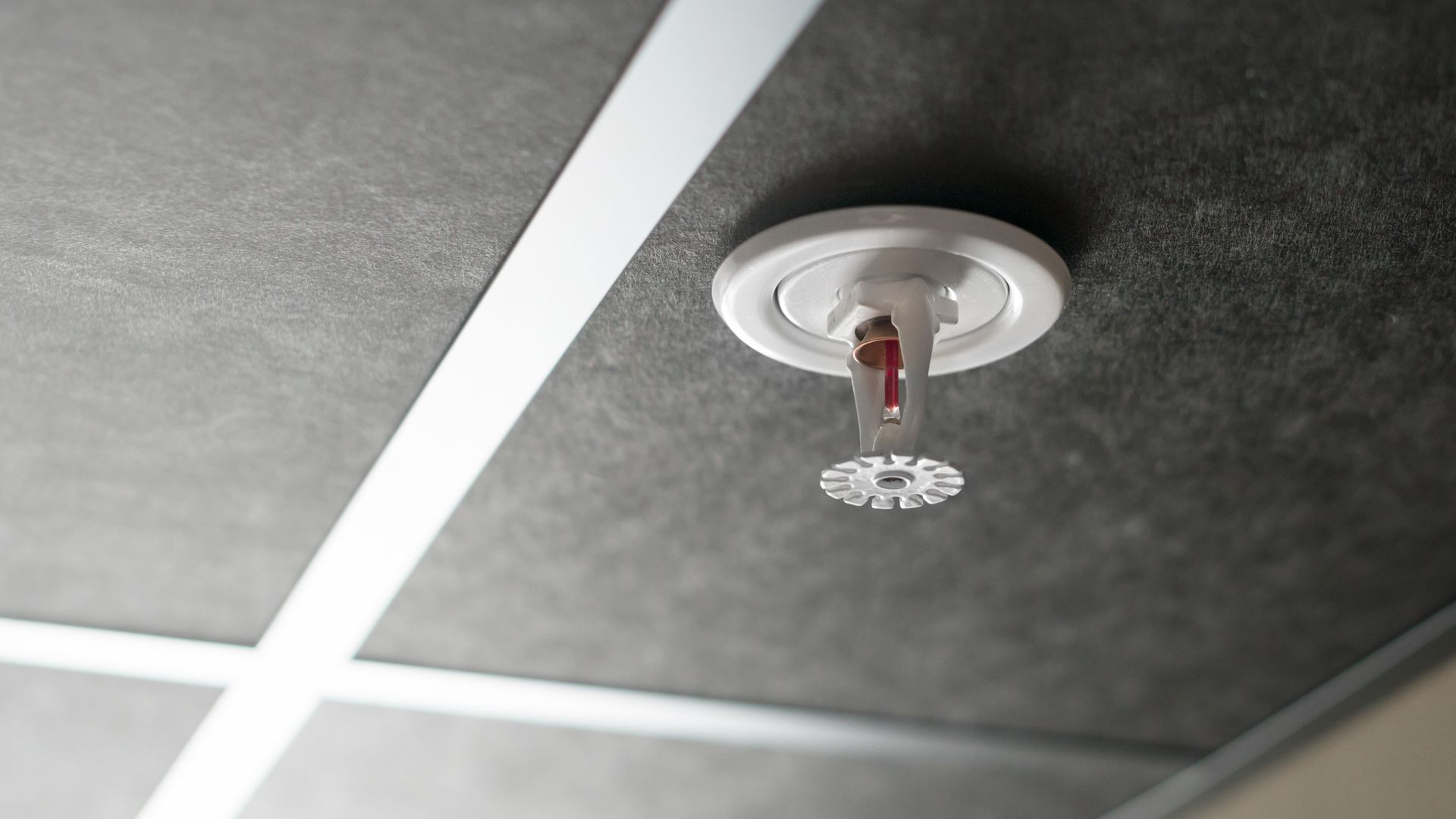
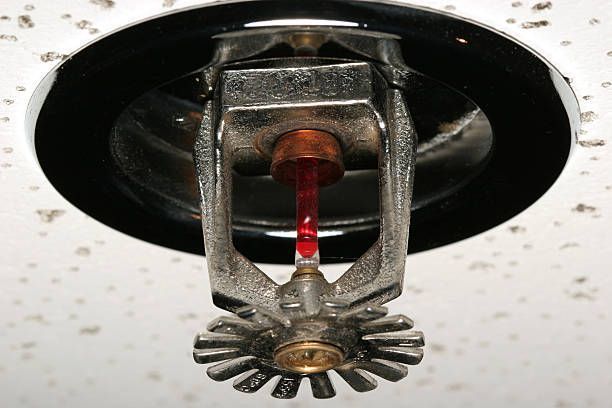
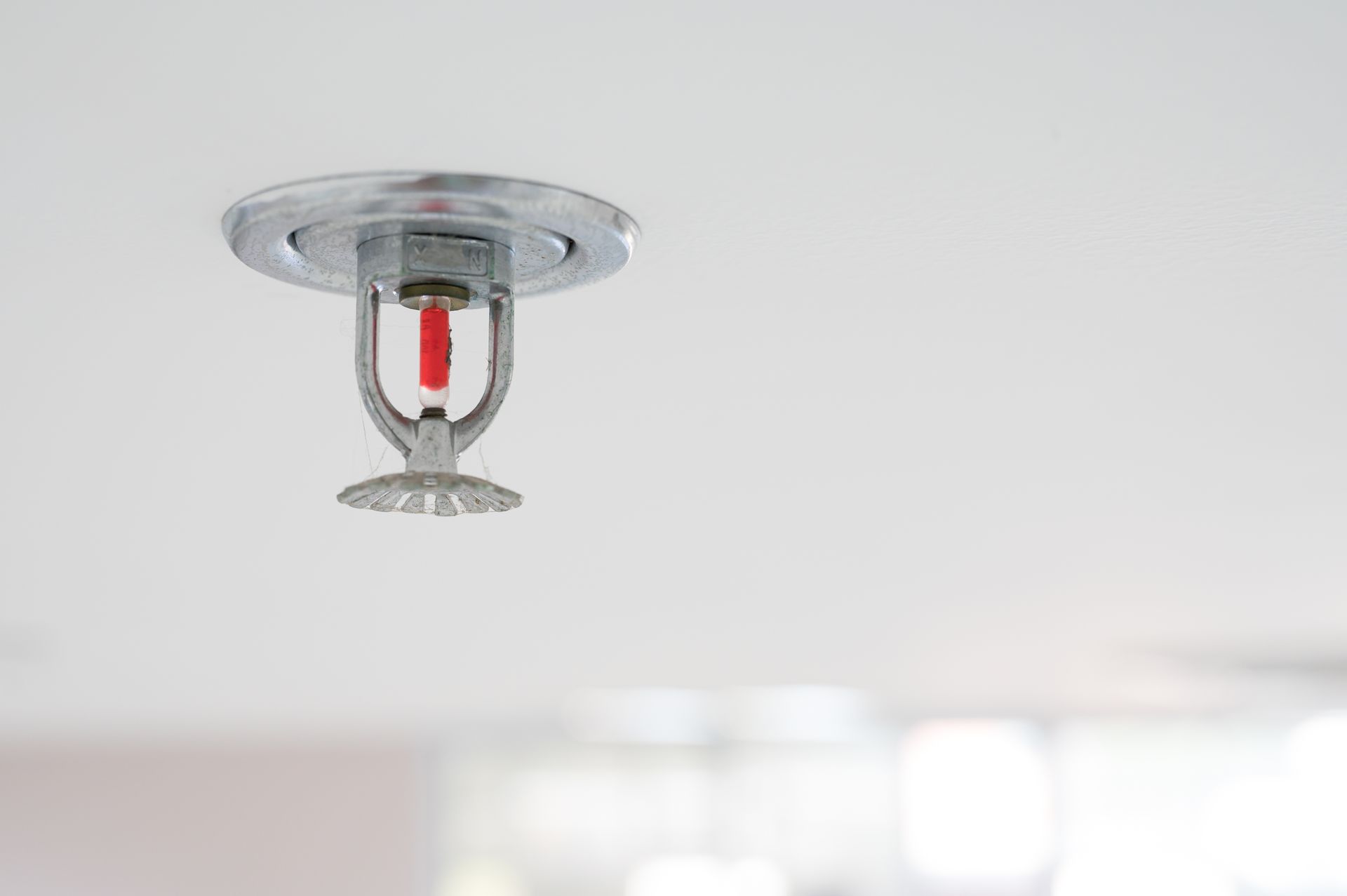
The annual inspection is the most comprehensive routine fire sprinkler system inspection required under NFPA 25. During the annual visit, every sprinkler head is examined for corrosion, leakage, physical damage, or foreign material loading. Each head must have proper clearance from storage and obstructions. Main drain tests are also performed annually to verify water supply conditions. A drop in residual pressure of more than 10% from the previous annual test signals a water supply issue that must be investigated.
Five-Year Inspections
The five-year cycle covers deeper system assessment. Internal pipe obstruction assessments are required every five years, along with gauge testing or replacement and further evaluation of sprinkler heads based on age and type. For property managers overseeing older buildings in the Michiana area, this milestone inspection can reveal corrosion and buildup that shorter-interval checks miss.
What Gets Tested During a Fire Sprinkler System Inspection?
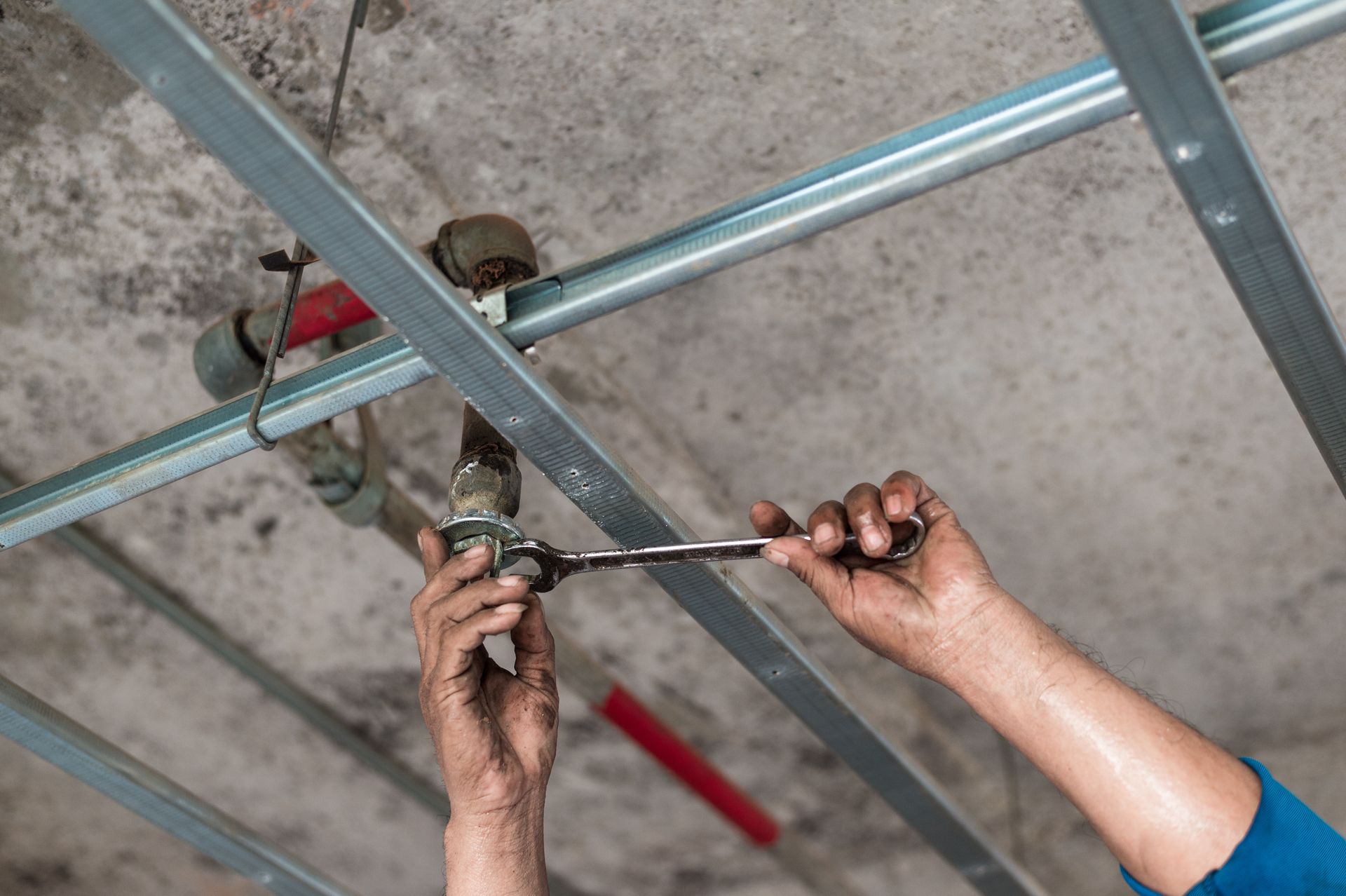
A thorough fire sprinkler system inspection covers far more than a visual walk-through. At each stage, our certified technicians evaluate and document the visual condition of sprinkler heads and piping for corrosion, damage, or foreign material; valve, alarm, and control system position and function; water flow and pressure levels against baseline records; and any leaks, clogs, or obstructions that could impair system activation.
Documentation matters as much as the inspection itself. All inspection, testing, and maintenance activities must be recorded with dates, findings, and corrective actions taken. If records are missing, insurers may deny claims related to system failure.
Does Michigan's Climate or Property Type Change Your Schedule?
Michiana's winters create real risk for fire protection systems. Unheated sections of warehouses, loading docks, and storage areas may require dry-pipe or pre-action systems rather than wet-pipe. Dry-pipe systems carry more frequent gauge inspection obligations, including weekly checks rather than monthly. Property managers overseeing older brick commercial buildings in downtown Niles or waterfront properties near St. Joseph should confirm with a licensed technician which system type they have and which interval tier applies.
Michigan also requires that systems taken out of service follow formal impairment procedures, including notification of the fire department, your insurance carrier, and building occupants.
Who Is Responsible for Keeping Records?
The property owner or manager is responsible. NFPA 25 places the obligation for maintaining inspection records on the building owner, and the Michigan Bureau of Fire Services may request documentation during a code inspection. Keep records organized by inspection date, component tested, findings, and technician credentials.
Can My Building Staff Perform Any of These Inspections?
Trained facility staff may perform certain weekly and monthly visual checks, such as confirming valve positions and reading pressure gauges. However, quarterly and annual inspections, as well as five-year assessments, typically require a licensed fire protection professional. Michigan mandates certified professionals for most commercial and multi-family buildings.
Stay Compliant and Protect Your Michiana Property in 2026
Compliance runs weekly, monthly, quarterly, annually, and every five years. We serve Michiana, MI, and the surrounding region with licensed fire sprinkler system inspection services for commercial, industrial, and multi-family properties. Our team is licensed and certified in Michigan and Indiana, carries more than 50 years of combined experience, and provides detailed compliance documentation after every visit.
Request a free quote or schedule your next inspection by calling (260) 486-3473 or reaching out through our contact page. For a full overview of available services, visit our fire inspections and safety assessment page.
Find us and read our reviews on Google: Indiana Fire Sprinkler & Backflow, Inc.